Mold is a common problem in homes and workplaces, and exposure to it can have serious health implications. However, not all types of mold are created equal, and it’s important to understand the specific risks associated with each type. One common question that arises is whether mold is an endotoxin. In this article, we’ll explore the answer to this question and provide insights on the potential health effects and risks associated with mold and endotoxin exposure.
Understanding the relationship between mold and endotoxins is crucial for protecting ourselves and our loved ones from potential harm. We’ll discuss the various sources of endotoxins, as well as the symptoms and health effects of exposure. We’ll also provide information on how to identify and test for mold and endotoxins, and explore prevention strategies for minimizing exposure in our homes and workplaces.
Understanding Endotoxins and their Sources
In order to understand the potential health effects of mold exposure, it is important to first understand endotoxins and their sources. Endotoxins are toxic substances that are produced by certain types of bacteria, and are often found in the environment. They can be found in soil, water, and even in the air we breathe, and can also be produced by mold.
Endotoxins are a type of toxin that is released when bacteria dies and the cell wall breaks down. This can happen when we come into contact with contaminated materials, or when we inhale contaminated air. Once in our bodies, endotoxins can cause a range of health effects, including fever, respiratory distress, and even organ failure in severe cases.
| Sources of Endotoxins | Potential Health Effects |
|---|---|
| Bacteria in soil and water | Fever, respiratory distress, gastrointestinal problems |
| Mold in the environment | Allergic reactions, respiratory problems, skin irritation, neurological symptoms |
| Bacteria in the gut | Immune system activation, inflammation, chronic disease |
While endotoxins can come from a variety of sources, it is important to be aware of the relationship between mold and endotoxins. Mold can produce endotoxins when it is growing and reproducing, and these endotoxins can be released into the air. This is why it is important to understand whether mold is an endotoxin, as exposure to mold can lead to exposure to endotoxins.
Understanding Endotoxins in Mold
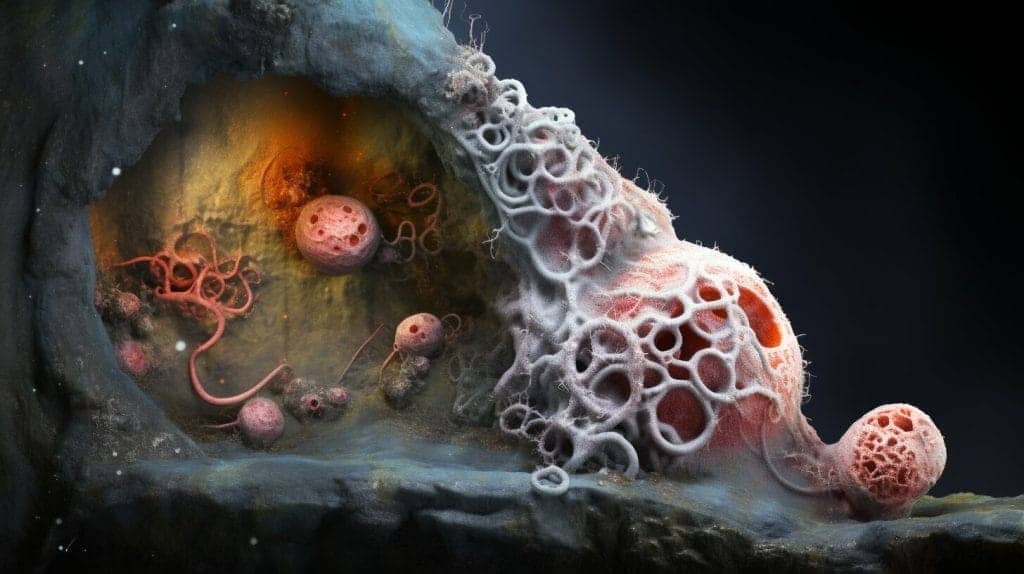
Mold is a type of fungus that can grow in damp, humid environments. When mold reproduces, it produces spores that can become airborne and spread throughout a building. These spores can contain mycotoxins, which are toxic substances produced by the mold, as well as endotoxins.
One of the most common types of mold that produces endotoxins is Stachybotrys chartarum, also known as black mold. This mold thrives in damp environments and can release endotoxins into the air when it is disturbed. Exposure to black mold and its endotoxins has been linked to a range of health effects, including respiratory problems, skin irritation, and neurological symptoms.
Mold Toxicity and Health Effects
Mold toxicity can have a range of potential health effects, depending on the type of mold and the duration and intensity of exposure. Some of the most common symptoms of mold and endotoxin exposure can include:
- Allergic reactions, such as sneezing, runny nose, and itchy eyes
- Respiratory problems, such as coughing, wheezing, and shortness of breath
- Headaches, dizziness, and fatigue
- Skin irritation and rashes
If left untreated, mold toxicity can also lead to more serious health problems, including:
- Chronic respiratory issues
- Neurological problems
- Immune system suppression
- Organ damage
- Cancer
It is important to seek medical attention if you experience any of these symptoms, especially if they are persistent or become more severe over time.
In addition to the short-term and long-term health effects of mold and endotoxin exposure, it is important to understand that some people may be more susceptible to the health risks than others.
Individuals with pre-existing respiratory conditions, such as asthma or allergies, are at a higher risk of experiencing severe symptoms from mold exposure. Children, elderly individuals, and those with weakened immune systems are also at an increased risk of experiencing respiratory problems and other health issues.
It is important to take steps to prevent mold and endotoxin exposure, particularly for those who are more vulnerable to its health effects.
Identifying Mold and Endotoxins
Mold and endotoxins can lurk in our environment without being visible to the naked eye. That’s why it’s important to know how to identify mold and endotoxins in our surroundings. Here are some methods you can use:
Visual Inspection
The most obvious and accessible method of identifying mold is by visual inspection. Visible mold growth can appear as discoloration on surfaces, often with a fuzzy or slimy texture. However, not all mold is visible, and endotoxins cannot be seen, even under a microscope.
Odor
Another way to identify mold and endotoxins is by their distinct odor. Musty, earthy, or damp odors may indicate the presence of mold, while a dirty or metallic scent may be a sign of endotoxins.
Air Sampling
Air sampling is a more sophisticated method of detecting mold and endotoxins. It involves capturing air samples from the environment and analyzing them in a laboratory. This method can help identify hidden mold growth and endotoxin presence, even in the absence of visible growth.
Surface Sampling
Surface sampling involves taking samples from surfaces suspected of mold growth or endotoxin presence. This method can help identify the type of mold or endotoxin present, as well as the extent of the contamination. Surface sampling can be done using swabs, tape lifts, or bulk samples, and analyzed in a laboratory.
Mold Endotoxin Testing
Mold endotoxin testing involves testing for the presence of endotoxins produced by mold. This method can help identify the level of endotoxin exposure and guide remediation efforts. Mold endotoxin testing can be done using various methods, including immunoassay and Limulus Amebocyte Lysate (LAL) assays.
Preventing Mold and Endotoxin Exposure
Mold and endotoxin exposure can have serious health effects, so it’s important to take steps to prevent exposure whenever possible. Here are some practical tips and strategies for minimizing your risk:
- Reduce moisture in your home or workplace by fixing leaks quickly and using proper ventilation in bathrooms and kitchens
- Regularly clean and inspect areas that are prone to mold growth, such as bathrooms and basements
- Use dehumidifiers in areas with high humidity, such as basements or crawl spaces
- Ensure proper drainage around your home’s foundation to prevent water from entering the basement
- Use air purifiers with HEPA filters to remove mold particles and other contaminants from the air
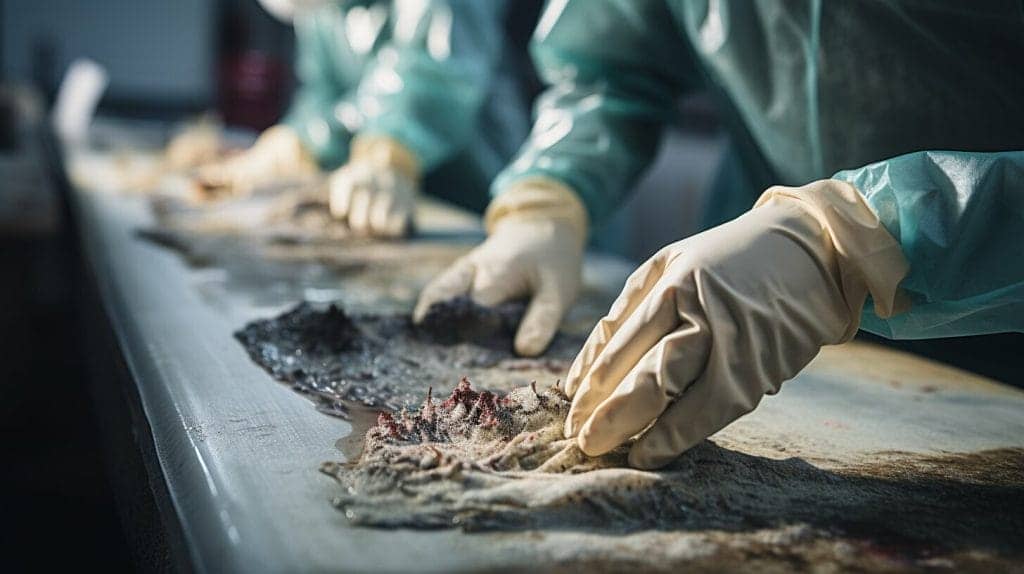
- Wear protective gear, such as gloves and masks, when cleaning up mold and endotoxin-affected areas
- Consider hiring a professional to perform mold and endotoxin testing and remediation, especially if you have experienced symptoms of exposure
By taking these preventative measures, you can significantly reduce your risk of exposure to mold and endotoxins and protect your health and the health of those around you.
Mold and Endotoxins in the Home
Mold and endotoxins can often be found in our homes, and exposure to them can lead to a range of health problems. It is important to take steps to identify and address mold and endotoxin issues in the home to create a safe and healthy living environment for you and your family.
Common Sources of Mold and Endotoxins in the Home
Mold and endotoxins can thrive in damp or moist environments, and can often be found in areas with poor ventilation, such as bathrooms, kitchens, and basements. Water damage from leaks or floods can also contribute to mold growth in the home.
| Common Sources of Mold and Endotoxins in the Home | Prevention Strategies |
|---|---|
| Humid areas such as bathrooms and basements | Use a dehumidifier or air conditioner to reduce moisture levels. Fix leaks as soon as they are discovered. |
| Kitchen and bathroom surfaces with standing water | Clean and dry surfaces regularly, and use a ventilation fan to reduce moisture levels. |
| Carpets and upholstery | Regularly vacuum and clean carpets and upholstery to prevent mold growth. Consider using a HEPA air filter. |
| Attics and crawl spaces | Ensure proper ventilation and insulation to reduce moisture levels. Regularly check for leaks and signs of damage. |
Identifying Mold and Endotoxins in the Home
If you suspect that your home may have mold or endotoxin issues, it is important to have it tested by a professional. There are also home test kits available that can help identify areas of concern. Look for signs of mold growth, such as discoloration or musty odors, and address them promptly to prevent further spread.
Addressing Mold and Endotoxin Problems in the Home
If mold or endotoxin issues are discovered in the home, it is important to address them promptly and effectively. This can involve removing and cleaning affected materials, improving ventilation, and addressing any underlying moisture issues. It is important to use appropriate safety measures during cleaning to avoid further exposure and health risks.
By taking steps to identify and address mold and endotoxin issues in the home, you can create a safe and healthy living environment for you and your loved ones.
Mold and Endotoxins in the Workplace
Exposure to mold and endotoxins can occur in a variety of workplaces, particularly in industries such as construction, agriculture, and healthcare. The risk of exposure is higher in professions that involve working in damp or moldy environments, handling organic materials, or performing tasks that generate dust, such as drilling, sanding, or polishing.
Health Implications of Exposure
Exposure to mold and endotoxins in the workplace can lead to a range of health problems, including respiratory issues, allergies, skin irritation, and infections. In severe cases, exposure can also cause neurological symptoms and chronic health conditions such as asthma, bronchitis, and pulmonary fibrosis.
Individuals with pre-existing health conditions or weakened immune systems are particularly vulnerable to the health effects of exposure, and may experience more severe symptoms or complications.
Workplace Safety Measures and Regulations
To protect workers from the health risks of mold and endotoxin exposure, there are several workplace safety measures and regulations in place. These may include:
- Maintaining proper ventilation and air quality in the workplace
- Implementing measures to control moisture and prevent mold growth, such as regular maintenance and cleaning
- Providing appropriate personal protective equipment, such as respirators and gloves
- Establishing protocols for handling and disposing of moldy materials and contaminated items
Employers are also responsible for ensuring that workers receive adequate training on the risks of exposure and the measures in place to prevent it. Workers who suspect they may be exposed to mold or endotoxins in the workplace should immediately report any concerns to their supervisor or safety officer.
Mitigating Exposure
To minimize the risk of exposure to mold and endotoxins in the workplace, it is important to take proactive measures such as:
- Wearing appropriate personal protective equipment when working with potentially contaminated materials
- Keeping work areas clean and free of dust and debris
- Properly ventilating work areas to maintain good air quality
- Inspecting and repairing leaks or moisture issues
If exposure to mold or endotoxins is suspected, workers should seek medical attention and report the exposure to their employer immediately.
Mold and Endotoxin Allergies
Mold and endotoxin exposure can lead to a range of health issues, including allergies. Allergies occur when the body’s immune system overreacts to a substance, such as mold or endotoxins, that it perceives as harmful. Some people may develop allergies after a single exposure, while others may experience symptoms over time with continued exposure.
Symptoms of Mold and Endotoxin Allergies
The symptoms of mold and endotoxin allergies can vary, but may include:
- Sneezing
- Coughing
- Runny or stuffy nose
- Itchy or watery eyes
- Difficulty breathing
- Skin rash or hives
In some cases, mold and endotoxin allergies can lead to more serious health problems, such as asthma attacks or respiratory infections. People who are at higher risk for these complications include those with pre-existing health conditions or weakened immune systems.
Treatment and Prevention of Mold and Endotoxin Allergies
If you suspect you have mold or endotoxin allergies, it is important to consult with a healthcare provider. They can help diagnose the allergy and provide guidance on treatment options, which may include medications such as antihistamines or inhalers.
Prevention is also key in managing mold and endotoxin allergies. This includes avoiding exposure to mold and endotoxins as much as possible, maintaining good indoor air quality, and practicing proper cleaning and maintenance to prevent mold growth in your home or workplace.
For those with severe allergies, it may be necessary to seek out professional mold remediation services or to consider alternative living or working arrangements to reduce exposure.
The Importance of Proper Cleaning and Maintenance
Proper cleaning and maintenance are essential for removing mold and endotoxins from our environment and reducing the risk of health problems. It is particularly important to use effective cleaning methods as improper cleaning can cause the release of more spores into the air, further contaminating the environment and potential increasing health risks.
Effective Cleaning Strategies
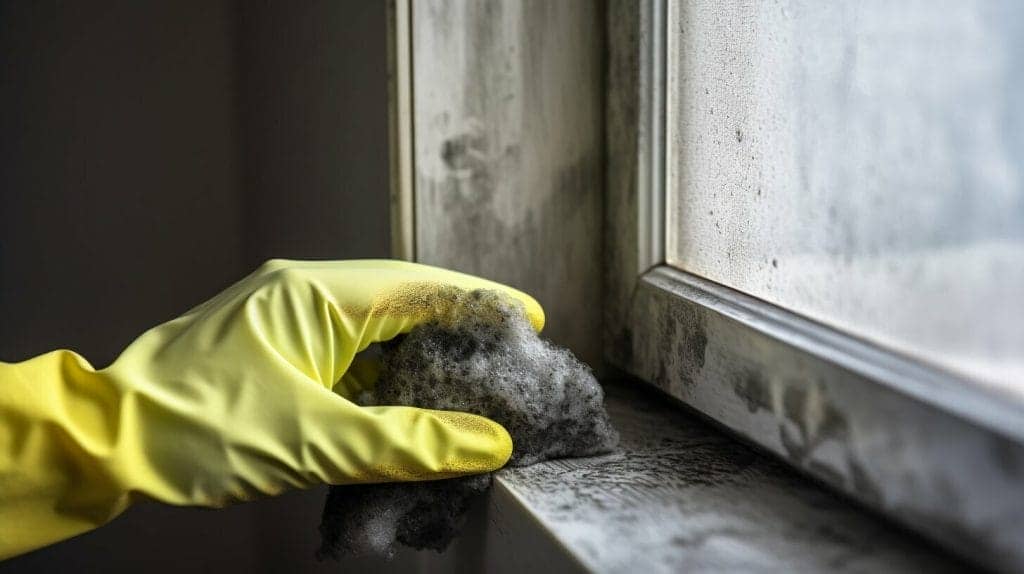
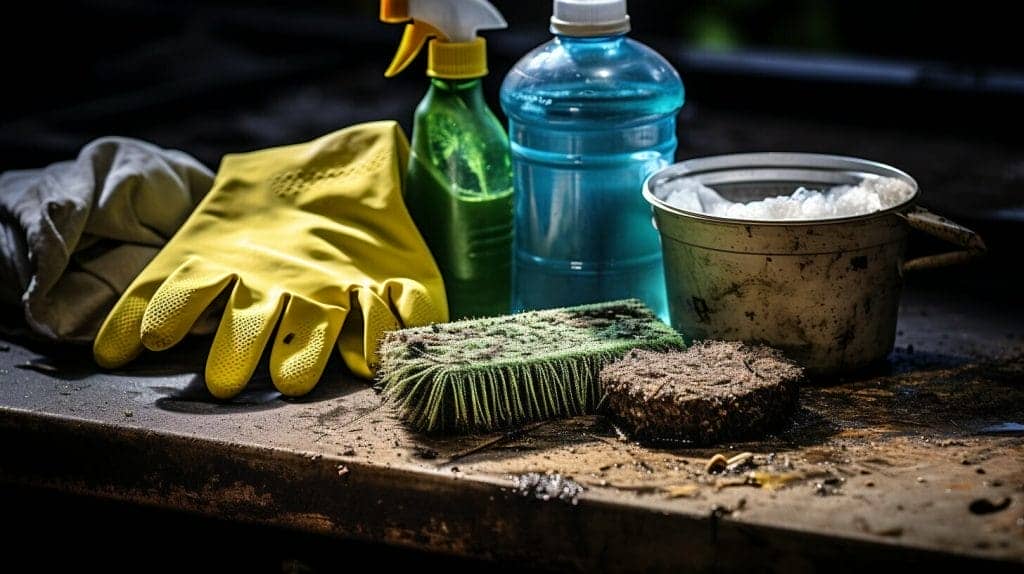
Effective cleaning strategies for removing mold and endotoxins include using a HEPA vacuum, wiping surfaces with a damp cloth, and using a mold and mildew cleaner. It is also important to ensure adequate ventilation, as well as using personal protective equipment such as gloves and a mask to prevent inhalation of spores.
| Cleaning Tool | Method |
|---|---|
| HEPA Vacuum | Use a vacuum with a HEPA filter and use it to clean carpets, furniture, and other surfaces regularly to remove spores and prevent further mold growth. |
| Damp Cloth | Wipe surfaces with a damp cloth to prevent spores from becoming airborne. |
| Mold and Mildew Cleaner | Use a mold and mildew cleaner to remove mold and endotoxins from surfaces and prevent further growth. |
Risks of Improper Cleaning
Improper cleaning methods can actually increase the risk of health problems by causing the release of more spores into the air. In addition, certain cleaning solutions can be toxic and harmful to those with sensitivities or allergies. It is important to use non-toxic cleaning solutions and follow proper cleaning procedures to minimize risks.
Mold and Endotoxin Removal
Removing mold and endotoxins from our environment can be a complex process, particularly in cases of severe contamination. In some cases, it may be necessary to seek the help of a professional mold remediation company. It is important to ensure that any removal process is done safely and effectively to prevent further contamination and health risks.
Health Risks of Long-Term Exposure
Long-term exposure to mold and endotoxins can result in serious and chronic health effects. Individuals who are exposed to mold and endotoxins on a regular basis, such as those in certain occupations or living in areas with high levels of mold, may be at risk for developing long-term health problems.
Some of the long-term health effects of mold and endotoxin exposure include:
- Respiratory problems such as chronic bronchitis and asthma
- Neurological problems such as memory loss and mood disorders
- Autoimmune diseases such as rheumatoid arthritis and lupus
- Cancer
It is important to note that the severity of these health effects can vary depending on the individual’s overall health, the level of exposure, and the length of exposure. However, it is crucial to take preventative measures to reduce the risk of long-term health problems.
If you suspect that you have been exposed to mold and endotoxins for an extended period, it is essential to seek medical attention immediately. Your doctor can evaluate any symptoms you may be experiencing and recommend appropriate treatment options.
Legal and Insurance Issues
Dealing with mold and endotoxin exposure can bring about legal and insurance issues that can be overwhelming and confusing. If you are experiencing health issues from mold exposure in your home or workplace, it is important to understand your legal rights and insurance coverage options.
Legal Issues
Legally, property owners have a responsibility to maintain a safe and healthy living or working environment. If you become sick due to exposure to mold or endotoxins in a building, the property owner or landlord may be held legally responsible. In such cases, it is important to consult a lawyer who specializes in mold claims to help you navigate the legal process and seek compensation for damages.
Insurance Issues
Insurance coverage for mold-related damages can be complex, and policies can vary widely. In general, standard homeowners or renters insurance policies do not cover mold remediation or damages resulting from mold or endotoxin exposure. However, some insurance companies offer additional mold coverage as a rider to their standard homeowner policies. It is important to review your insurance policy and speak with your insurance provider to understand what coverage you have, or to obtain additional coverage if needed.
Challenges of Seeking Coverage for Mold-Related Losses
When seeking insurance coverage for mold-related losses, it can be challenging to prove that the damages were caused by mold or endotoxin exposure. Insurance companies may require documentation of the type and extent of damage caused by mold or endotoxins, as well as proof that the damage was not caused by other factors. It is important to work with a qualified mold remediation company to properly document any damages and provide evidence to support your insurance claim.
Common Misconceptions about Mold and Endotoxins
Mold and endotoxins are often surrounded by misinformation and myths. Here are some common misconceptions that you should be aware of:
- Myth: All mold is toxic.
- Fact: While some types of mold can produce harmful toxins, not all mold is toxic. However, any type of mold can cause health problems, especially if you are exposed to it for an extended period.
- Myth: Bleach can kill mold.
- Fact: While bleach can kill mold on non-porous surfaces, it is ineffective in removing mold from porous surfaces such as wood, drywall, or fabrics. These surfaces need to be either replaced or treated by professionals to remove the mold completely.
- Myth: Mold is only a problem if you can see it.
- Fact: Mold growth can occur in hidden areas such as inside walls, below the floorboards, or in your air conditioning system. Mold spores can also travel through the air and cause health problems even if you don’t see mold growth.
- Myth: Removing visible mold is enough to solve the problem.
- Fact: Removing visible mold is only part of the solution. You also need to address the underlying moisture problem that caused the mold growth to prevent it from recurring.
By understanding the facts about mold and endotoxins, you can take the necessary steps to protect yourself and your family from these potential health hazards.
Risks for Vulnerable Populations
Vulnerable populations, such as young children, the elderly, and individuals with pre-existing health conditions, are at an increased risk for health problems related to exposure to mold and endotoxins. These populations may be more susceptible to respiratory issues, allergic reactions, and other symptoms, and may experience more severe health effects from exposure.
Children and the elderly may have weakened immune systems, making them more vulnerable to the health effects of mold and endotoxin exposure. Individuals with pre-existing health conditions, such as asthma or allergies, may also experience more severe symptoms when exposed to mold and endotoxins. It is important for individuals in these populations to take extra precautions to avoid exposure, such as avoiding damp or moldy areas and seeking medical attention if symptoms occur.
Resources for Dealing with Mold and Endotoxins
If you or someone you know has been affected by mold and endotoxin exposure, it’s important to seek professional help and support. Below are some resources that can provide guidance and assistance:
Advocacy Organizations
- The National Organization of Remediators and Mold Inspectors (NORMI): This nonprofit organization offers training and certification for mold inspectors and remediators, and provides resources for homeowners and businesses dealing with mold issues.
- Mold Help Organization: This organization provides resources and support to individuals and families affected by mold and other indoor air quality issues.
Government Agencies
- The Environmental Protection Agency (EPA): The EPA offers information on mold health effects, prevention strategies, and resources for addressing mold issues in homes and workplaces.
- The Centers for Disease Control and Prevention (CDC): The CDC provides information on mold exposure and its potential health effects, as well as guidance on cleaning and remediation.
Support Groups
- The National Association of Mold Remediators and Inspectors (NAMRI): NAMRI provides support and resources for individuals and families affected by mold exposure.
- Mold Survivors: This online support group connects individuals affected by mold exposure and provides a forum for sharing experiences and advice.
These resources are just a starting point, and there may be additional organizations and support groups available in your local area. If you are experiencing health issues related to mold exposure or need assistance with mold removal, it’s important to seek help from a qualified professional.
Conclusion and Future Directions
In conclusion, mold and endotoxin exposure can pose significant health risks and should be taken seriously. By understanding the sources of endotoxins and their health effects, we can take steps to prevent exposure and create healthier environments in our homes and workplaces.
Future research on the health effects of mold and endotoxin exposure is needed to better understand the risks and inform policy. It is also important to continue improving methods for identifying and removing mold and endotoxins from our environment.
We can all play a role in protecting ourselves and our communities from the health risks of mold and endotoxin exposure. By staying informed, taking preventative measures, and seeking professional help when needed, we can create safer and healthier living environments for ourselves and future generations.
Frequently Asked Questions (FAQs)
Here are some commonly asked questions about mold and endotoxin exposure:
Q: What are some common symptoms of mold and endotoxin exposure?
A: Symptoms of exposure to mold and endotoxins include coughing, wheezing, difficulty breathing, fever, fatigue, headache, and skin irritation. In more severe cases, exposure can lead to asthma, respiratory infections, and other chronic health issues.
Q: How can I test for mold and endotoxins in my home?
A: There are several tests available for detecting mold and endotoxins, including air quality tests and surface tests. You can also hire a professional mold inspector to assess your home and identify any problem areas.
Q: Can mold and endotoxin exposure lead to long-term health issues?
A: Yes, exposure to mold and endotoxins over a long period of time can lead to chronic health issues such as respiratory problems, asthma, and other respiratory diseases. It’s important to take preventative measures to minimize exposure and seek medical attention if you experience any symptoms of exposure.
Q: What can I do to prevent mold and endotoxin exposure?
A: There are several steps you can take to prevent mold and endotoxin exposure, including keeping your home clean and dry, repairing any water leaks or damage promptly, using a dehumidifier in damp areas, and ensuring proper ventilation in your home or workplace. It’s also important to seek professional help if you suspect mold or endotoxin exposure.
Q: What legal and insurance issues should I be aware of related to mold and endotoxin exposure?
A: Mold-related claims can be complex and require the assistance of a lawyer to navigate. Insurance coverage for mold-related damages can also be difficult to obtain. It’s important to consult with a legal or insurance professional if you are dealing with mold-related issues.
Q: Are there any resources available for those affected by mold and endotoxin exposure?
A: Yes, there are resources available for those affected by mold and endotoxin exposure, including support groups, advocacy organizations, and government agencies. These resources can provide information, support, and assistance for those dealing with the health effects and other impacts of mold and endotoxin exposure.